Five Maritime Security Developments That Will Resonate For A Generation
Captain Brian Wilson discusses treaty developments, trends, successes and challenges in maritime security.
Photo courtesy of Wikimedia Commons.
Captain Brian Wilson discusses treaty developments, trends, successes and challenges in maritime security.
Photo courtesy of Wikimedia Commons.
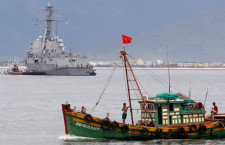
Food security was a key driver behind the development of the current framework governing the law of the sea. This matters for why-and how-the Chinese are contesting claims in the South China Sea.
Photo courtesy of Reuters.
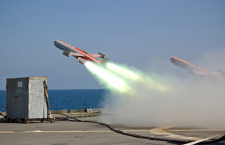
3 areas continue to hold our national security at risk and plague drone integration efforts: (1) inadequate safety systems, (2) inadequate statutes, and (3) incomplete threat analyses. The authors discuss each area in detail along with proposed solutions. Photo courtesy of Wikimedia
Read more ›I. Introduction In 2012, the U.S. Congress passed the FAA Revitalization and Reform Act which among other provisions called for the integration of drones into the U.S. national airspace. While the statutory provision was an attempt to meet the needs of an emerging industry which includes the defense sector, Congress inadvertently failed to examine many of the potential problems relating […]
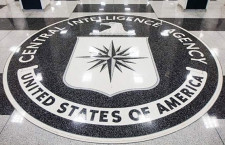
Read more ›Many Americans are skeptical or distrustful of U.S. Government intelligence collection methods. Increasing transparency by presenting additional data in an accessible way could help.
Read more ›Data travels across the globe instantly, but the current system for sharing information across jurisdictions is inadequate. Here’s why we need reform, and what that reform should look like. By Jonah Force Hill.
Read more ›The military’s restricted reporting policy for sexual assaults-permitting members of the armed services to seek help without initiating a formal investigation-has helped victims and investigators alike. But state law exceptions, like California’s, counteract some of these gains. Here’s why, and how, the exception should be overturned.
Read more ›Tony Carr* As Congress returns for a lame-duck session that promises to be equal parts theatrical and unproductive, President Obama is making a promise of his own: to pursue a new Authorization for the Use of Military Force (AUMF) legitimizing action against ISIS. Notwithstanding the division and skepticism of the current political moment, the AUMF represents a critical opportunity […]
Read more ›By Brandt Pasco* A signature national security priority of President Barack Obama’s Administration, and an area that has generated rare broad-based bipartisan support, is export control reform. At the request of Secretary of Defense Robert Gates, in August 2009 President Obama directed the National Security Council and National Economic Council to jointly review the overall export control system.[1] Now five […]
Read more ›Daniel D’Isidoro* Introduction Members of the intelligence community receive different whistleblower protections than most federal employees, in large part due to the classified nature of their work. Though recent reforms have sought to shore up whistleblower protections, regulatory gaps remain. The following piece explores some of those gaps through examples, and suggests reforms to address them. Needed reforms include providing […]
Read more ›